
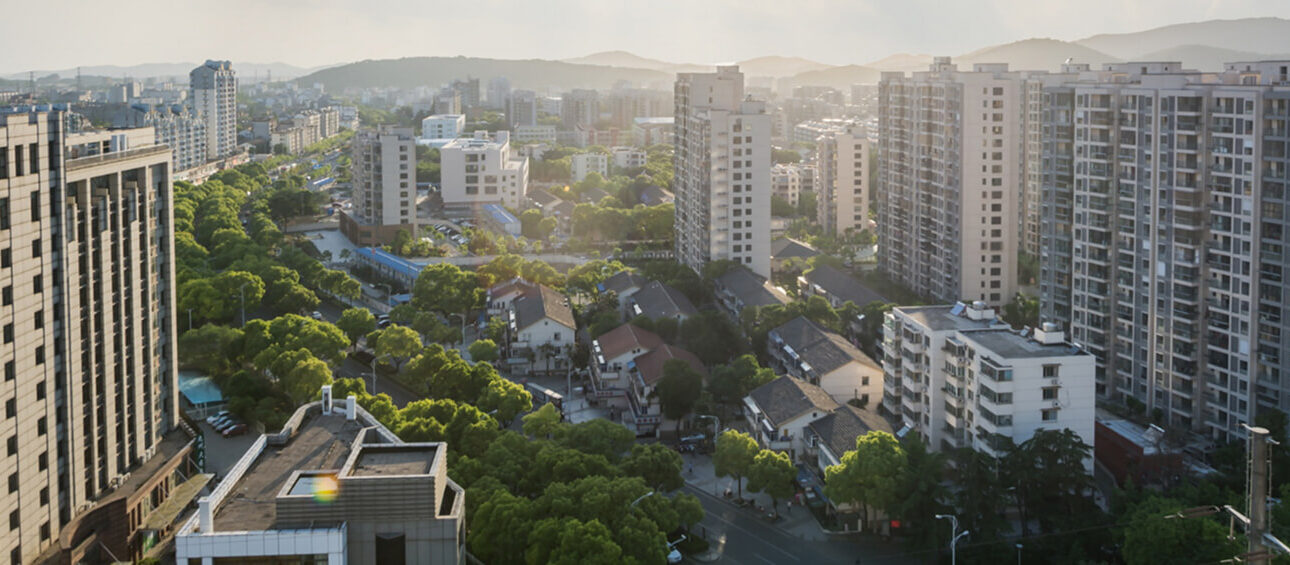
Why Lifestyle Matters in Real Estate Today
Real estate decisions are no longer driven only by price appreciation. Post-pandemic, buyers are prioritising how their everyday life feels inside a location. Walkability, access to essentials, time saved on commuting, hospital accessibility, and a sense of community now matter as much as investment returns. Homes are being evaluated as lifestyle ecosystems, not just assets.
Kharadi Then vs Now: A Rapid Transformation
Kharadi as an Early IT Suburb
Kharadi initially grew as a pure employment destination. The rise of large IT parks turned it into a weekday work hub with minimal residential depth.
Shift Toward Mixed-Use Development
As job density increased, residential projects, retail spaces, schools, and healthcare followed. This organic layering has reshaped Kharadi into a highly in-demand area.
What Does “Self-Sustained Township” Really Mean?
A self-sustained township is not about isolation from the city. It’s about making life easier, without a long commute.
- Live–Work–Learn–Play ecosystem: Residents can live, work, study, access healthcare, shop, and unwind within a short radius.
- Reduced dependency on city core: Time saved on daily travel directly improves quality of life and long-term livability.
Work: Commercial & Employment Ecosystem
Employment density is the backbone of any self-sustained area.
- IT parks & business hubs: EON IT Park and nearby commercial clusters host a high concentration of white-collar jobs.
- Co-working & flexible offices: Growing demand from startups, freelancers, and hybrid professionals working closer to home.
Live: Residential Diversity & Housing Options
- Apartments & gated communities: Housing for singles, young families, and upgraded buyers.
- New-age amenities: Integrated amenities, green spaces, and social zones focused on convenience-driven living.
Learn: Schools, Colleges & Skill Hubs
- International & CBSE schools: Reduced daily travel stress for families.
- Daycare & coaching centres: Support for working professionals and growing families.
Heal: Healthcare & Wellness Infrastructure
- Hospitals & clinics: Access to routine and emergency healthcare.
- Fitness & wellness spaces: Gyms, yoga studios, and wellness centres supporting holistic living.
Shop & Socialise: Retail, Dining & Entertainment
- Retail & high streets: Daily needs and essentials available locally.
- Cafés & restaurants: A vibrant social and dining culture for professionals and families.
Commute & Connectivity
- Internal connectivity: Short travel loops and better internal roads.
- City access: Efficient connectivity to other parts of Pune.
Community Living & Social Fabric
Gated communities and township developments encourage social interaction, safety, inclusivity, and a cosmopolitan lifestyle.
Infrastructure Supporting Lifestyle Growth
Civic upgrades, improved utilities, and planned infrastructure projects are strengthening Kharadi’s long-term sustainability.
How This Evolution Impacts Property Demand
- End-user driven demand: Buyers choosing Kharadi for living, not speculation.
- Rental stability: Strong tenant demand due to employment proximity.
Who Benefits Most From This Lifestyle Shift?
IT professionals, families with children, NRIs, and long-term investors focused on stability benefit the most.
Kharadi vs Other East Pune Micro-Markets
Compared to Wagholi and Viman Nagar, Kharadi offers a more balanced blend of lifestyle maturity, scalability, and growth.
Final Verdict: The Future of Living in East Pune
Kharadi represents East Pune’s closest version of a modern urban township. Its organic growth driven by employment, housing, infrastructure, and social development makes it a strong lifestyle-led choice.
Key Takeaways
Kharadi’s transformation reflects the future of urban living in Pune. Buyers looking beyond price appreciation will find its lifestyle ecosystem aligned with long-term living goals.