
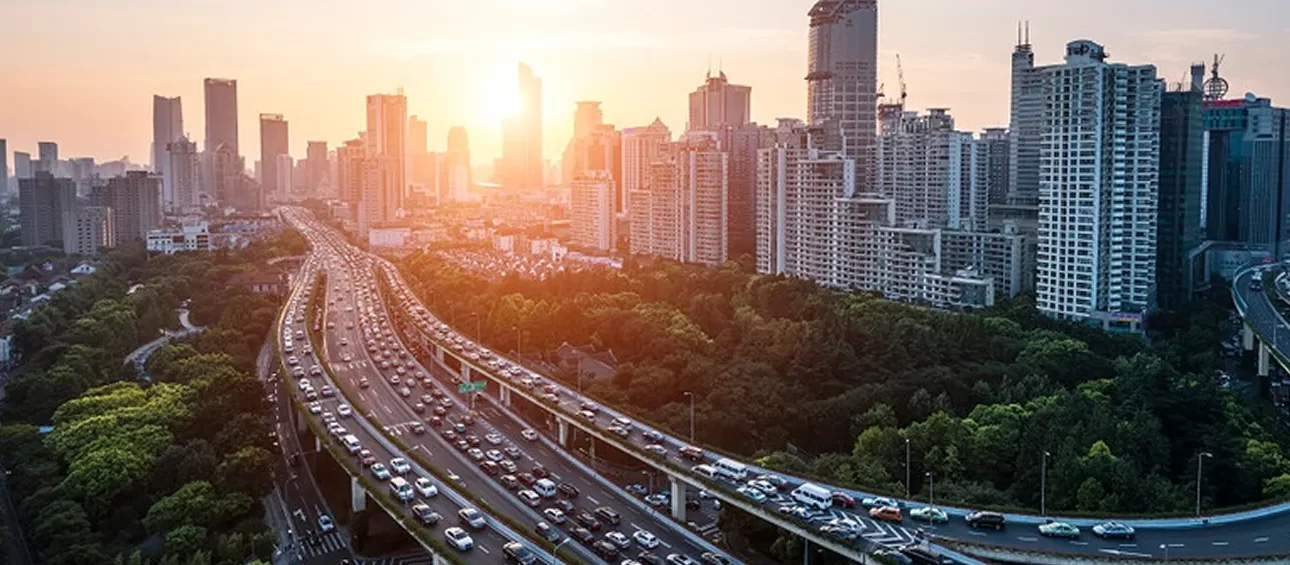
Pune’s eastern corridor has been transforming at lightning speed, and at the heart of this boom lies Kharadi. Once a small suburban area, mostly semi-rural, in recent years, the area has evolved into a powerhouse of commercial and residential activity. The presence of global IT and financial companies, rapid infrastructure development, and sustained housing demand have positioned Kharadi as one of the most attractive investment hubs in India. Making it a hot listing on the real estate market.
Recent data highlights why investors are flocking here: Pune recorded over 38–51 lakh sq. ft. of office leasing in H1 2025, with Kharadi among the top absorption centres. Residential prices, which hovered around ₹6,000–7,000/sq. ft. just a few years ago, now command ₹8,000–9,500/sq. ft., with projections of 20–25% appreciation in the next 3–5 years. With unmatched connectivity, an established IT ecosystem, and a quality lifestyle quotient, Kharadi is not just growing; it is outpacing every other micro-market in Pune’s East.
Strategic Location & Connectivity
Neighborhood Network
Kharadi sits at the crossroads of Pune’s major commercial hubs. The EON IT Park and World Trade Centre opens avenues for thousands of tech jobs everyday, while Magarpatta City and Viman Nagar are a short drive away. This cluster effect has made Kharadi a magnet for professionals, ensuring housing and rental demand remain strong.
Road & Future Metro Connectivity
Kharadi enjoys excellent road access through the Pune–Ahmednagar Highway and is seamlessly connected to the airport (20 minutes) and Pune railway station (25 minutes). The upcoming Metro Line-3 (Hinjawadi–Shivajinagar) will further integrate Kharadi with the city’s tech corridors, drastically reducing commute times. For investors, such infrastructure ensures not just convenience but capital value appreciation.
Commercial Boom & Office Leasing Trends
As mentioned earlier, in the first half of 2025, Pune recorded 38–51 lakh sq. ft. of office leasing, with Kharadi emerging as one of the top-performing submarkets. A supply pipeline of 88 lakh sq. ft. is underway, much of it concentrated in Kharadi to meet demand.
Rental rates here are an average ₹77/sq. ft., competitive when compared to Baner or Hinjawadi, yet offering superior connectivity and infrastructure.

This supply-demand balance makes Kharadi a low-vacancy, high-rent growth market.
Residential Market Momentum
Housing demand has mirrored the commercial upswing in the area. Prices that were ₹6,000–7,000/sq. ft. in 2020 are now at an average rate of ₹8,500–9,500/sq. ft. Experts forecast a 20–25% jump in the next 3–5 years, fueled by IT hiring and metro expansion.
For investors, rental yields in Kharadi are higher than in nearby Wagholi (which lacks infrastructure) and competitive with Viman Nagar (where prices are already saturated). A 2BHK in Kharadi today rents at ₹28,000–32,000/month, offering steady buy-to-let potential with strong appreciation.
Underlying Drivers & Policy Tailwinds
Kharadi’s ecosystem is powered by marquee employers like Barclays, Credit Suisse, and TCS within its IT and SEZ zones. This consistent job inflow guarantees housing absorption.
Additionally, civic projects under Pune’s Smart City Mission, the Ring Road development, and ongoing road widening works are setting up Kharadi for long-term sustainability without doubt. With top developers announcing fresh projects, investor confidence is at a peak. Policy-backed infrastructure plus private sector momentum = a perfect growth cycle.
Kharadi vs. Other East Pune Micro-Markets

Kharadi clearly leads in office leasing demand and infrastructure readiness, making it superior for mid- to long-term investments.
Expert advice: If you are planning to buy a house for long term investment, be sure to consider this area.
Lifestyle, Amenities & Long-Term Value
Kharadi is not just about work; it is about life. The area boasts top schools (Victorious Kids, Podar International), multi-specialty hospitals (Columbia Asia, Rising Medicare), and retail magnets like Phoenix Marketcity for an effective work-life balance. Entertainment options abound, from cafes and fine dining to cultural festivals like NH7 Weekender and VH1 Supersonic, both hosted nearby.
For families and professionals, this mix of convenience, healthcare, education, and leisure makes Kharadi a holistic residential choice. For investors, it strengthens the case for long-term value and resilience.
FAQs
Q1. What is the current price per sq. ft. in Kharadi compared to Wagholi?
Kharadi: ₹8,500–9,500; Wagholi: ₹5,500–6,500.
Q2. How much office space was leased in Kharadi in early 2025?
Approx. 26 lakh sq. ft. of the city’s 38–51 lakh sq. ft. leasing volume.
Q3. Why are GCCs expanding their Pune offices to Kharadi?
Due to Grade-A supply, talent pool availability, and superior connectivity.
Q4. What’s the projected property appreciation in Kharadi over the next 5 years?
20–25%, supported by demand and infrastructure.
Q5. How will Metro Line 3 impact property values in Kharadi?
It will enhance connectivity, driving both rental and capital appreciation.
Conclusion & Investment Checklist
Kharadi has established itself as Pune’s fastest-growing hub, backed by robust office demand, soaring residential prices, and unmatched connectivity. Investors seeking steady rental returns, strong capital appreciation, and long-term security will find Kharadi to be a future-proof bet.
Smart Investor Checklist:
- Look for projects within 10–15 minutes of EON IT Park or WTC
- Evaluate developer credibility and RERA compliance
- Target properties near proposed Metro stations
- Compare rental yields before final purchase
In short: Kharadi is not just an investment, it’s an opportunity to own a piece of Pune’s growth story.